

How a Vehicle History Report Affects Your Car’s Value
Every year, millions of drivers decide to sell their cars, trucks, or SUVs. Many choose to sell for different reasons. Some individuals may want to upgrade their current method of transportation, while others may have unexpected expenses, and selling a vehicle can help them cover these costs. Either way, if you’re thinking, “It’s time to sell my car,” there are some key factors you should know about.
The modern car-buying experience has many advantages for both consumers and merchants. Among these is the vehicle history report. If you’ve ever purchased a used vehicle or plan to sell yours, this report is crucial for maintaining transparency with a potential buyer.
A vehicle history report details the number of previous owners, any accidents, repairs, and whether any recalls have been issued. It’s important to understand the items on a vehicle history report and how they impact the value of a vehicle you buy or sell. Ensuring your vehicle has a clean history report can make all the difference in securing an excellent offer for your vehicle or receiving significantly less than you expect. A vehicle history report is crucial, whether you’re selling or buying a vehicle.
Beyond the Report: Factors to Understand Before Selling a Vehicle
Before you put your vehicle on the market or sell it to a dealership, it’s essential to understand some key factors that affect its value. Not all vehicles are the same in terms of their value, and some have a higher resale value than others. Here are some factors that directly impact the value of your vehicle.
Depreciation: All vehicles, regardless of the make and model, undergo the depreciation process. This is where the value of the vehicle goes down yearly. The process begins when a vehicle is sold and driven off the dealership’s lot. You can consult various resources to determine the approximate value of your vehicle and what it might be worth. KBB (Kelley Blue Book) publishes an annual guide with values listed by make, model, and year.
Demand: Some vehicles are more desirable than others. Depending on your geographic location and the popularity of your vehicle with buyers, you may receive a better offer for it. For example, a vehicle with rear-wheel drive may receive fewer offers in an area with heavy snowfall during the winter. On the other hand, an SUV equipped with numerous safety features may be worth more in an area where many families reside. The right vehicle in the right location can be sold at a higher value.
Mileage: Some vehicles last longer than others. As long as a vehicle is properly maintained, there’s no reason it can’t last beyond 100,000 miles. However, high mileage indicates considerable wear and tear, as well as the potential for more frequent repairs in the future, which can diminish the vehicle’s value, regardless of how well it is maintained.
Items on a Vehicle History Report
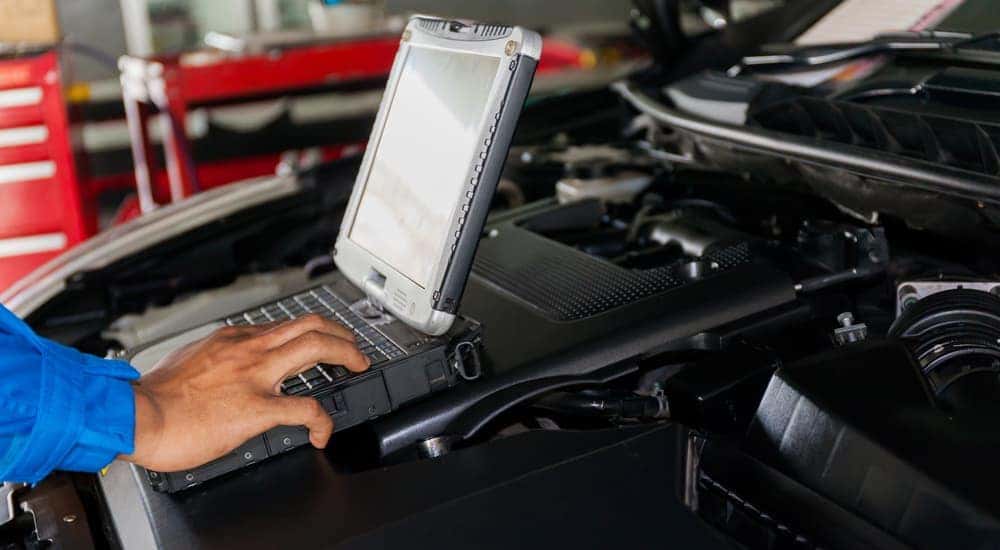
A vehicle history report informs buyers about the items and events that have happened to a vehicle during its lifespan. To better understand what they are and how they can affect a sale, here are the major categories that appear on one.
Accident History
Just because a vehicle looks brand new and in immaculate shape doesn’t necessarily mean it is. When a vehicle is involved in an accident, it’s usually reported to an insurance agency, and these details are included in the vehicle’s history report. A vehicle involved in an accident has what’s known as “diminished value,” which differs from the resale value affected by depreciation.
A vehicle history report contains the details of any accidents the vehicle has been involved in. It will indicate where damage was sustained, how severe it might have been, and whether the vehicle needed to be towed to a repair shop. The effect an accident has on a vehicle’s value depends on the accident’s severity and the extent of the repairs.
If you’re selling a vehicle that has been in an accident, it’s essential to consider that this is a significant factor in determining its value. It doesn’t necessarily void a sale, but an accident-free vehicle will typically sell for more than one that has been involved in an accident.
Maintenance Records
The key to having a long-lasting vehicle is keeping it properly maintained. The guiding principle behind vehicle maintenance is paying a little bit now or a lot later. On average, a vehicle should have its oil changed and tires rotated every few months, and routine service should be performed at regular intervals.
Service records are detailed on a vehicle history report. Items such as the location where the service was performed and the specific services provided will be listed. A review and customer rating of the location might also be listed. Some repair shops are more reputable than others, and whether OEM parts were used on your vehicle can affect its value. If you’ve had your vehicle properly maintained with parts built for it by the manufacturer, there’s no reason why your resale value should be reduced. A vehicle that’s gone for long stretches without being properly maintained risks falling into disrepair and is less valuable.
Owner History
Just because you’re selling the vehicle you’re currently driving doesn’t necessarily mean that this is the first time it’s been through this process. A vehicle history report will detail how many people have owned a vehicle, how long they drove it, and how many miles they have driven. The report may also indicate whether the vehicle was used for personal or business purposes.
Vehicles that have been owned multiple times tend to sell for less. If you bought your current vehicle new and it’s been in your possession the entire time, you will likely receive more during a sale. Single-owner vehicles tend to have a higher resale value than those with multiple owners over a long period.
Recall Information
Depending on what you drive, there’s a chance that the manufacturer may have issued a recall due to a defective part that went unnoticed during the manufacturing process. Most of the time, the manufacturer will issue a recall, and the repair will be performed free of charge.
If a recall was issued for a part on your vehicle and it has been repaired, there’s a good chance that the resale value will not be inhibited. Replacing the defective part signifies proper maintenance, which is crucial for any vehicle to remain in good condition over time. However, if the recall notice was ignored, a buyer might view the vehicle as unsafe due to neglected maintenance.

A Clean History Report Is Your Best Friend
Producing a detailed history report is the first step in determining a vehicle’s value before selling it. The report will cover factors other than depreciation and inform potential buyers of what they can expect when purchasing. It’s essential to understand that any consumer has the right to know the complete history of any item they’re considering purchasing.
If you’re considering selling your car or want to get the best offer, consider visiting North Bay Ford. We purchase vehicles from customers daily and would like to offer you a generous offer. We pay top dollar, whether you’re selling it for cash or trading it in towards the purchase of a new vehicle. Bring it in for an appraisal, and we’ll formulate an offer based on its current market value.
0 comment(s) so far on How a Vehicle History Report Affects Your Car’s Value